Juan Ignacio Molina
He wrote the first natural history of Chile from Bologna, twelve thousand kilometres away, never able to return.
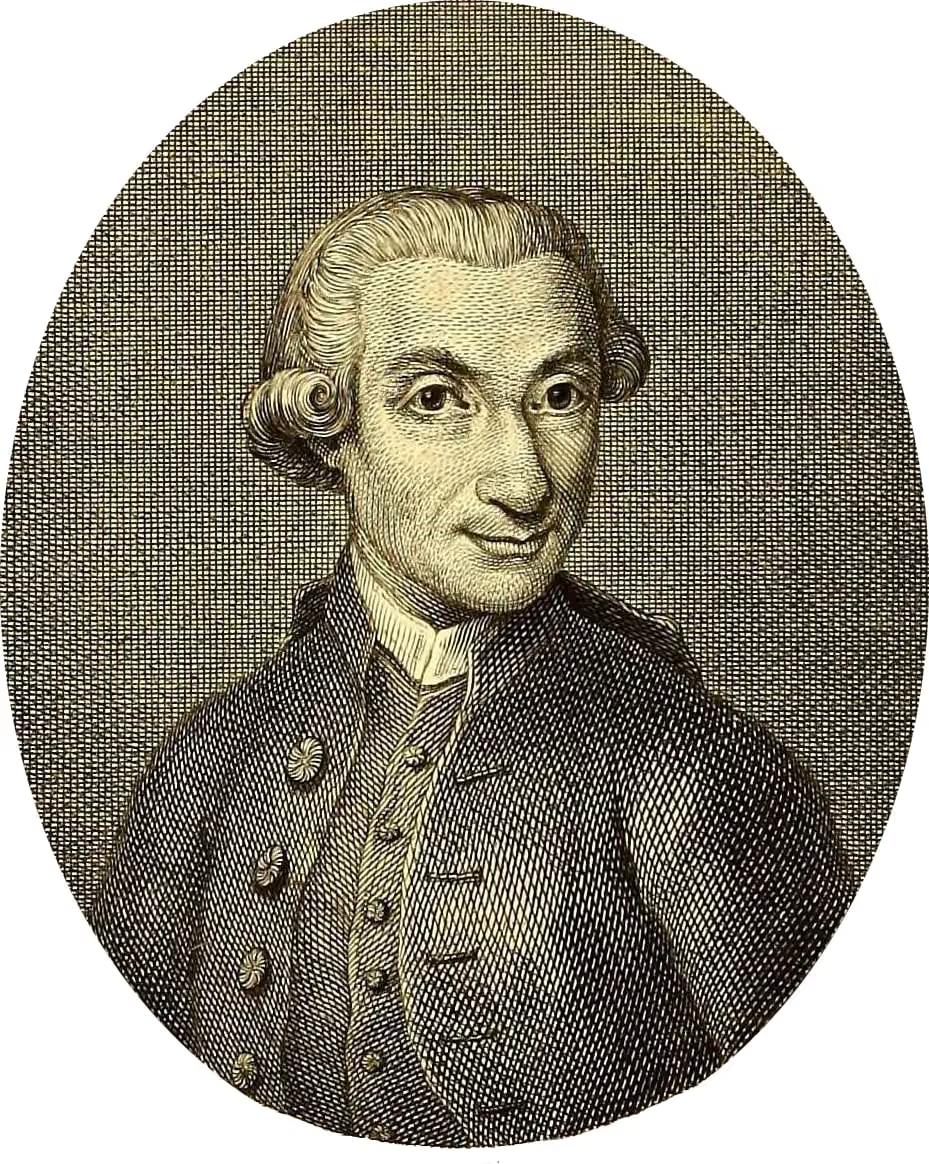
Grabado de 1795, del «Compendio de la historia civil del reyno de Chile» · Dominio público
In 1767, when Charles III expelled the Jesuits from all Spanish dominions, a twenty-seven-year-old born in the Maule valley boarded a ship in Valparaíso. He never returned. He died sixty-two years later in Bologna, twelve thousand kilometres from the only landscape he ever wrote about.
What he produced in that exile was the first scientific description of Chile: its geography, its flora, its fauna, its history. For more than a century, anyone who wanted to know what was in this territory read Molina.
A field naturalist who did not know he was one
He was born on 24 June 1740 on the Huaraculén estate, near Villa Alegre, in what is today the Maule Region. He studied with the Jesuits in Concepción and Talca — calligraphy, grammar, rhetoric and Mapudungun — and entered the Society of Jesus at fifteen. Fourteen years of philosophy, science and theology followed, along with command of five languages.
Those formative years passed while he travelled a territory nobody had catalogued. When he was expelled, he took with him what he could of his notes. The rest stayed in his memory, and from there he wrote.
Two months in Lima, Cádiz, and then Italy forever
Born in Huaraculén
Near Villa Alegre, in the Maule valley.
Enters the Society of Jesus
At fifteen.
Elejías latinas
His first published text.
The expulsion
Leaves Chile with around three hundred priests and novices, via Lima and Cádiz, bound for the Papal States.
Ordained a priest
In Imola. Settles permanently in Bologna.
Compendio de la historia geográfica, natural y civil del Reyno de Chile
The first systematic description of the territory.
Saggio sulla Storia Naturale del Chili
His major work. An expanded second edition followed in 1810.
Ensayo sobre la Historia Civil del Reyno de Chile
The companion volume.
First American member of the Academy of Sciences of Bologna
He also held a chair in Greek at the University of Bologna and one in natural history at its Institute of Sciences.
Dies in Bologna
On 12 September, aged 89. That same year he published his Memorias de Historia Natural.
Naming what nobody had named
The Saggio sulla Storia Naturale del Chili, published in Bologna in 1782, describes Chilean plants, animals and minerals with binomial nomenclature, the system Linnaeus had proposed only a few decades earlier. Several species today carry the epithet molinae in his honour, and others keep the names he proposed.
The work was translated into German, French, English and Spanish, and was for generations the European reference on Chile. The town of Molina, in the Maule Region, has borne his name since 1834.
What the sources do not quite settle
He was born on 24 June 1740 in Huaraculén and died on 12 September 1829 in Bologna.
Memoria Chilena and the academic article from SciELO Argentina agree on both dates, with the exact day.
In 1802 he became the first American member of the Academy of Sciences of Bologna.
Recorded in Memoria Chilena.
He is considered a precursor of evolutionary ideas.
The claim circulates in profiles and rests on passages of his «Analogías menos observadas de los tres reinos de la naturaleza» (1815), but the institutional sources consulted do not put it in those terms. It is worth reading the text before repeating it.
He wrote his work entirely from memory.
It is the most repeated and most appealing version, but no source specifies how much material he could have taken with him in 1767 or what he later received from Chile.
- Memoria Chilena · Biblioteca Nacional. Ficha biográfica y catálogo de su obra
View source → - SciELO Argentina. «El abate Juan Ignacio Molina: una vida dedicada a la historia natural y civil del reino de Chile»
View source → - Internet Archive. Facsímil del «Compendio de la historia civil del reyno de Chile» (1795)
View source →
How to cite
This is free to reuse under CC BY 4.0, as long as you give credit.
FísicaEterna. (2026). Juan Ignacio Molina — biography, FísicaEterna. Retrieved [access date] from https://www.fisicaeterna.cl/en/biographies/juan-ignacio-molina
@misc{fisicaeterna_juan_ignacio_molina,
  author  = {FísicaEterna},
  title   = {Juan Ignacio Molina — biography, FísicaEterna},
  year    = {2026},
  url     = {https://www.fisicaeterna.cl/en/biographies/juan-ignacio-molina},
  note    = {CC BY 4.0}
}