The sky
Dry air, high ground, still nights. In northern Chile the atmosphere gets out of the telescope’s way — which is why the largest instruments in the history of astronomy are being built here rather than somewhere else.
Why here
Why does the world build its telescopes here?
What ruins a night of observing is not distance, it is air. Water vapour swallows infrared light and turbulence smears a star into a blob. The Atacama has very little of either: a cold current offshore, a mountain range holding back the moisture on the other side, and a belt of descending dry air overhead leave the sky above the desert about as thin as it gets without leaving the planet.
So the instruments came. ESO’s telescopes at Paranal and La Silla, ALMA’s antennas on the Chajnantor plateau, Gemini South and the Vera Rubin Observatory on Cerro Pachón, the Simons Observatory reading the echo of the Big Bang. Each one is an argument somebody wrote into a proposal, saying this sky was worth the flight.
And here the sky is not only used, it is defended. Chile writes light-pollution rules most countries never need, because what a badly lit town costs is an instrument that took twenty years to build.
The numbers, with their sources
of the world’s astronomical observing capacity will sit in Chile by 2030. The figure is ESO’s own, and it says “exceed 60%”: the 70% that has circulated online since 2017 appears in no current official source.
Source: ESO announcement, 3 June 2025
What we have on this
Scientists
Guido Garay Brignardello
Mónica Rubio López
Leopoldo Infante Lira

Carmen Adelina Gutiérrez Alonso
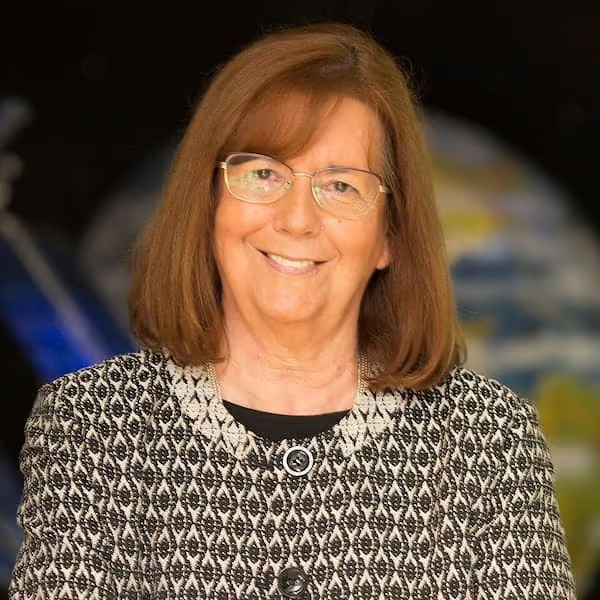
María Teresa Ruiz González
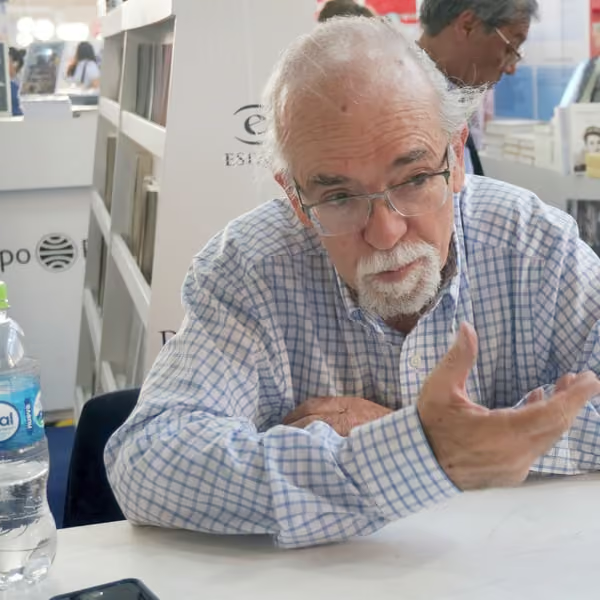
José María Maza Sancho

Mario Hamuy Wackenhut
Concepts, explained with animation
In depth
If you work with any of this
Instruments, fieldwork, a programme that needs one of these conditions, or simply a story that is better told from here. That is the conversation we are interested in.
What we can do together →